
MICRO NURTURE
Small but mighty - care makes all the difference.
Spiderling Care:
The "Kindergarten" Guide
1. The Right-Sized Classroom (Enclosure)
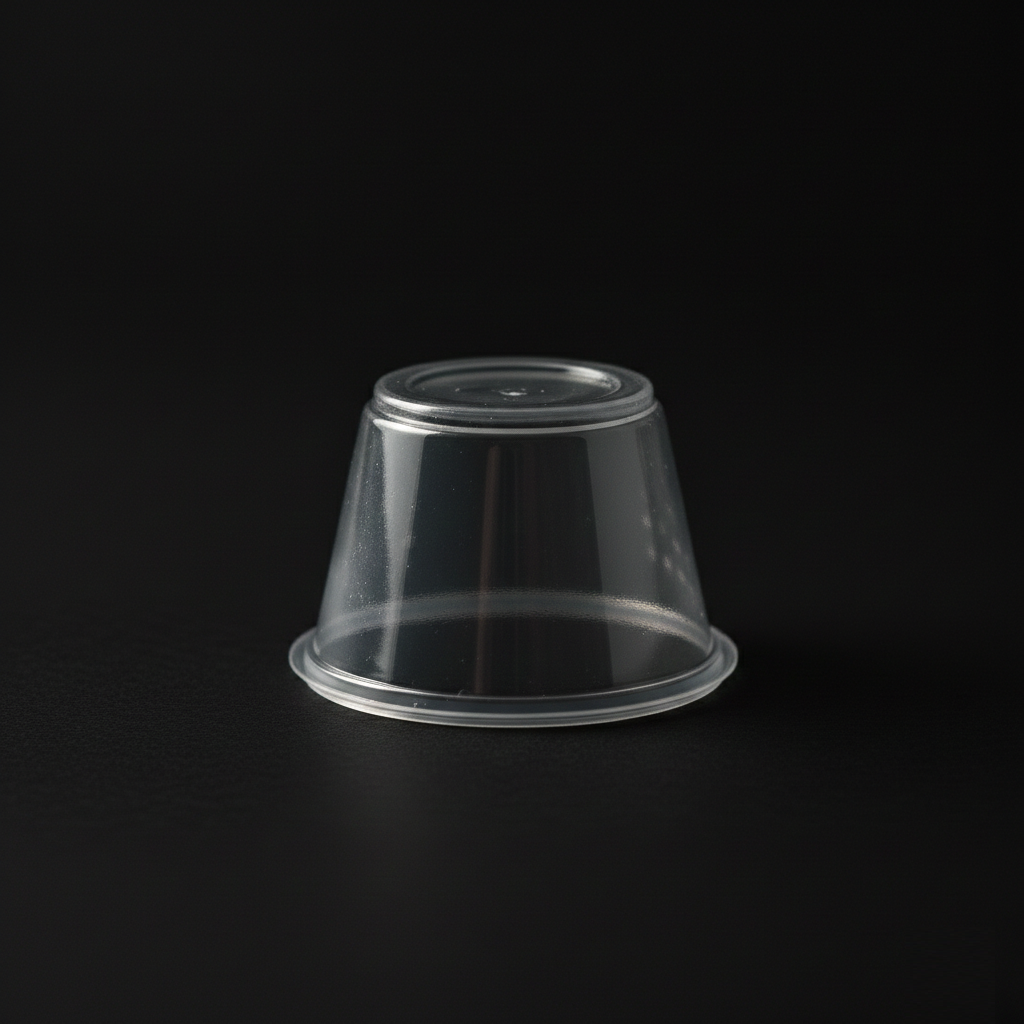
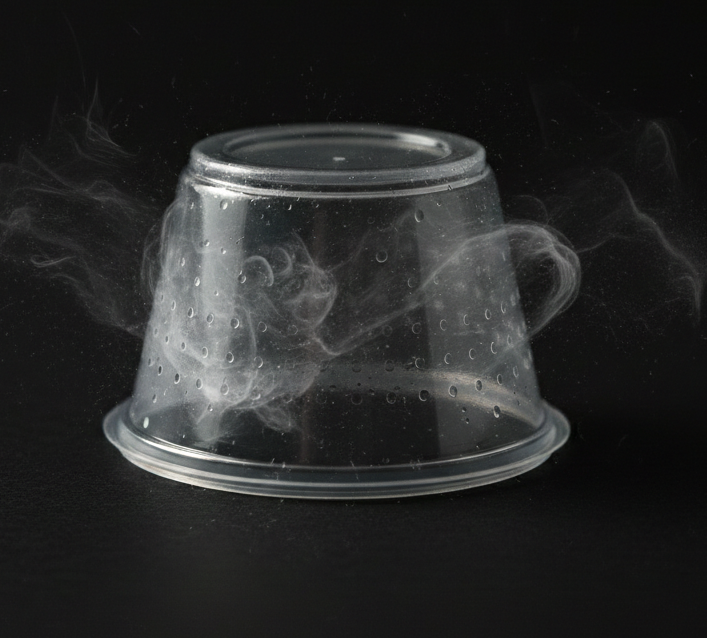
Slings need a small, secure space. If the enclosure is too large, the spiderling won't be able to find its prey easily. A 2-ounce to 4-ounce vented sauce cup or a small acrylic "nursery" is ideal until they reach their 4th or 5th instar. Note: Ensure ventilation holes are small enough that the sling cannot squeeze through.
2. Hydration Without Drowning
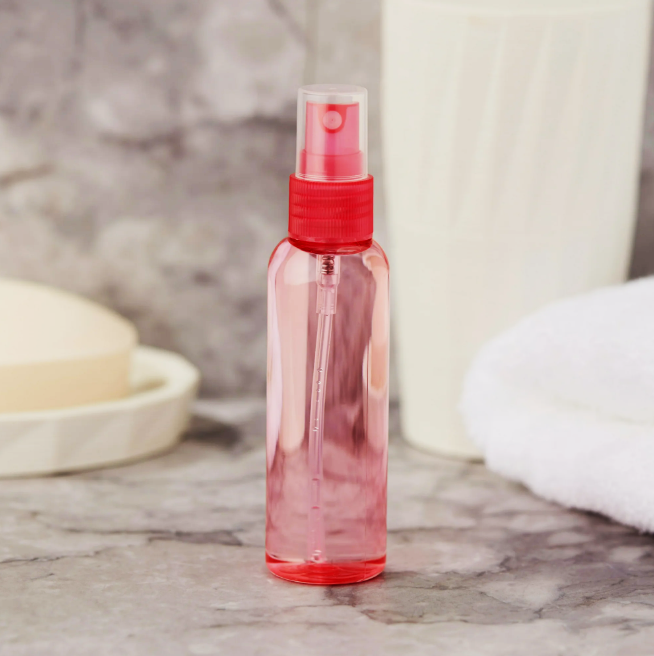
Slings can drown in a single droplet of water from a standard spray bottle. Use a fine-mist sprayer to provide a light dew on one side of the container. Do not mist the spider directly. They drink the tiny droplets off the walls.
3. Feeding the "Toddlers"
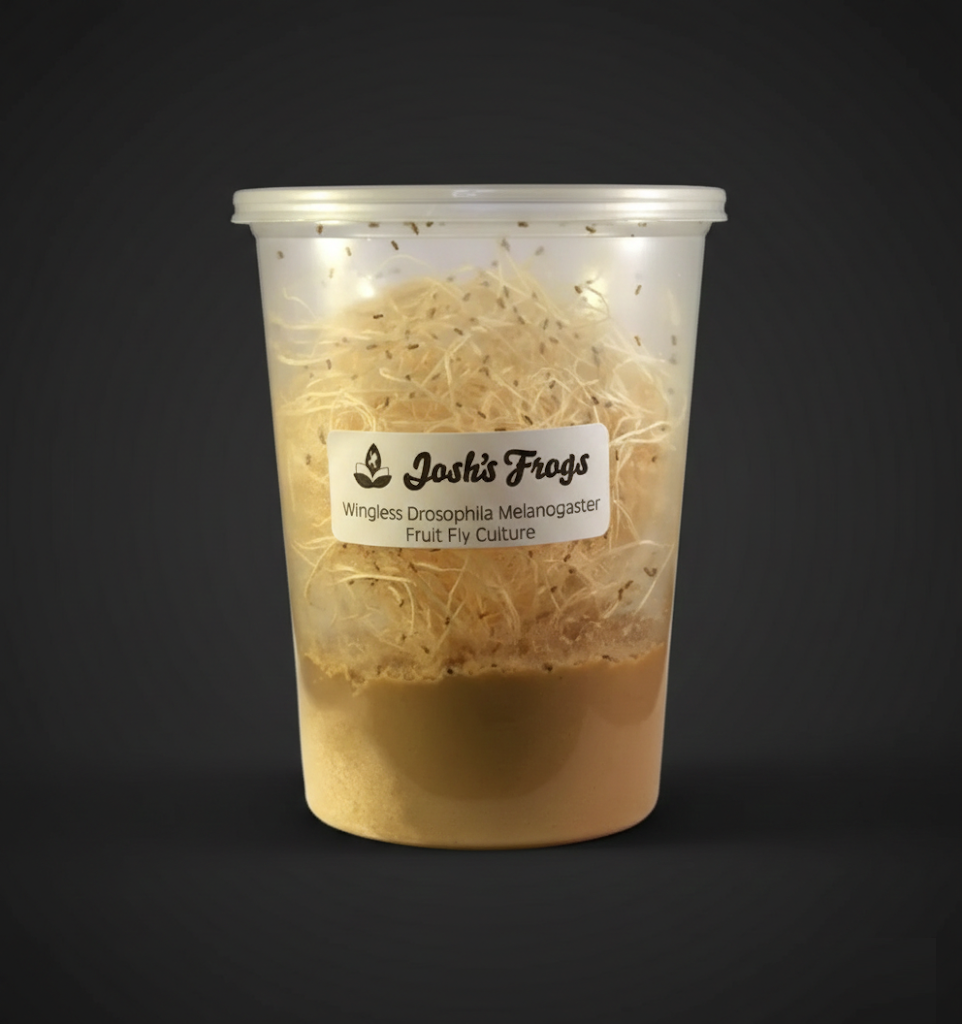
Because they are tiny, they need tiny food. Drosophila Melanogaster (the smaller, flightless fruit fly) is the standard for young slings. As they grow, move up to Drosophila Hydei (the larger variety). Feed 2–3 flies every other day, or when their abdomen looks thin.
4. Master of the Molt
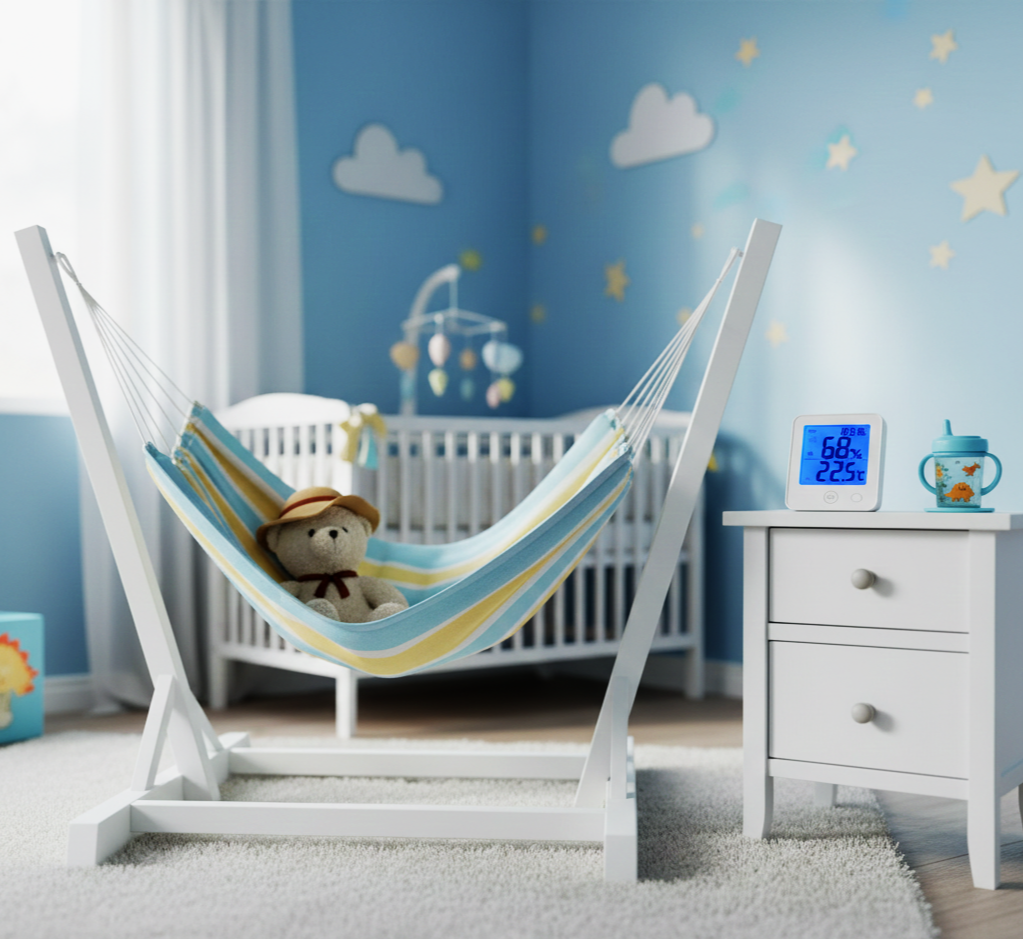
Spiderlings grow fast and will molt frequently. The Sign: They will build a thick silk "hammock" and stop eating. The Rule: Never disturb a spider in its molting hammock. Humidity: Keep the enclosure slightly more humid during this time to help them slide out of their old exoskeleton.

5. Light and Warmth
Jumping spiders are visual hunters and thrive with plenty of light. Place them near a bright, indirect light source (avoid direct sun, which can overheat a small cup). Maintain a temperature between 72°F and 80°F. If you are comfortable, they usually are too.
6. Cross-Ventilation is Key
Stagnant, wet air can lead to mold or bacterial growth, which is fatal for spiderlings. Ensure your enclosure has side ventilation (cross-flow) rather than just top ventilation. This allows the air to move and prevents "swampy" conditions after misting.
7. Handling with Care
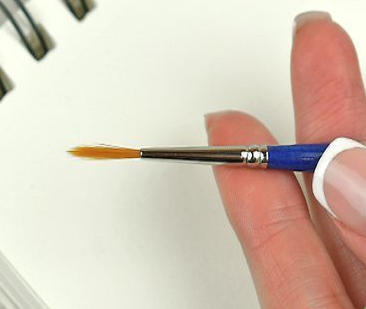
Spiderlings are extremely fast and fragile. Avoid handling them until they are a bit larger (sub-adult). If you must move them, use a soft-bristled paintbrush to gently nudge them into a new container. Never use your fingers to pick them up, as you can easily crush their delicate legs.
“Graduate” care guide:
1. Vertical Space and Enrichment
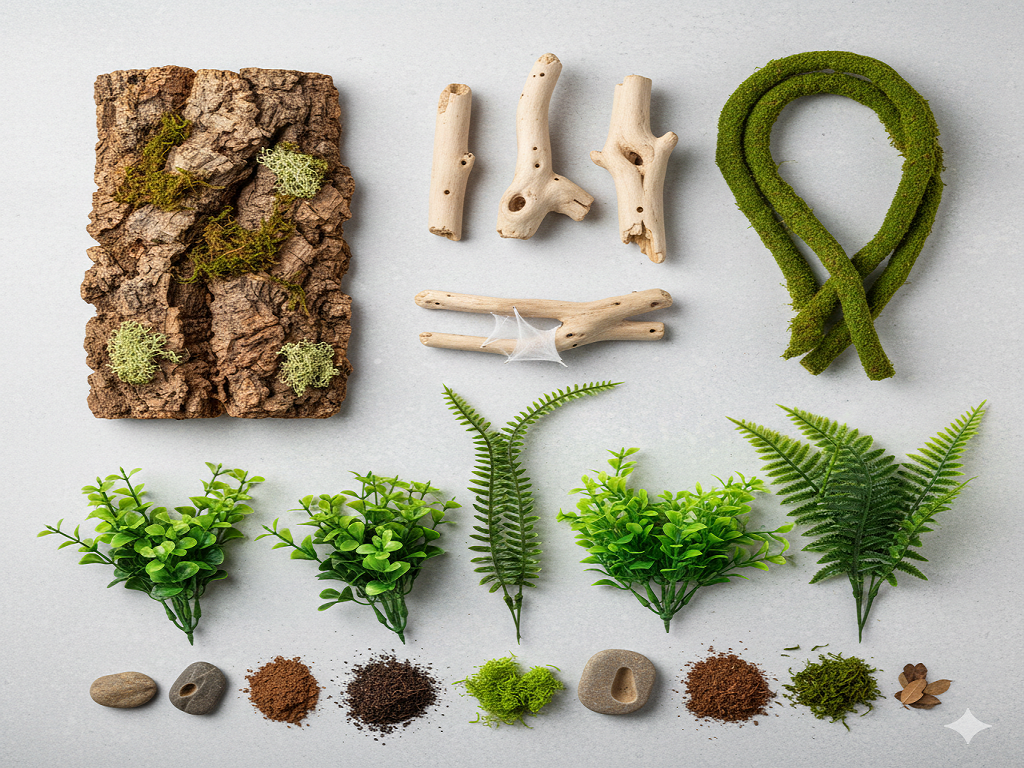
Jumping spiders are arboreal hunters, meaning they naturally seek the highest point in their environment. An adult needs a vertical enclosure (ideally 6x6x9 inches or larger) to feel secure. Fill the upper third of the enclosure with "clutter"—silk plants, 3D-printed hides, and cork bark. This provides "high ground" for them to build their thick silk sleeping hammocks and gives them a complex landscape to explore and hunt in, which keeps them mentally stimulated.
2. The Necessity of Cross-Ventilation
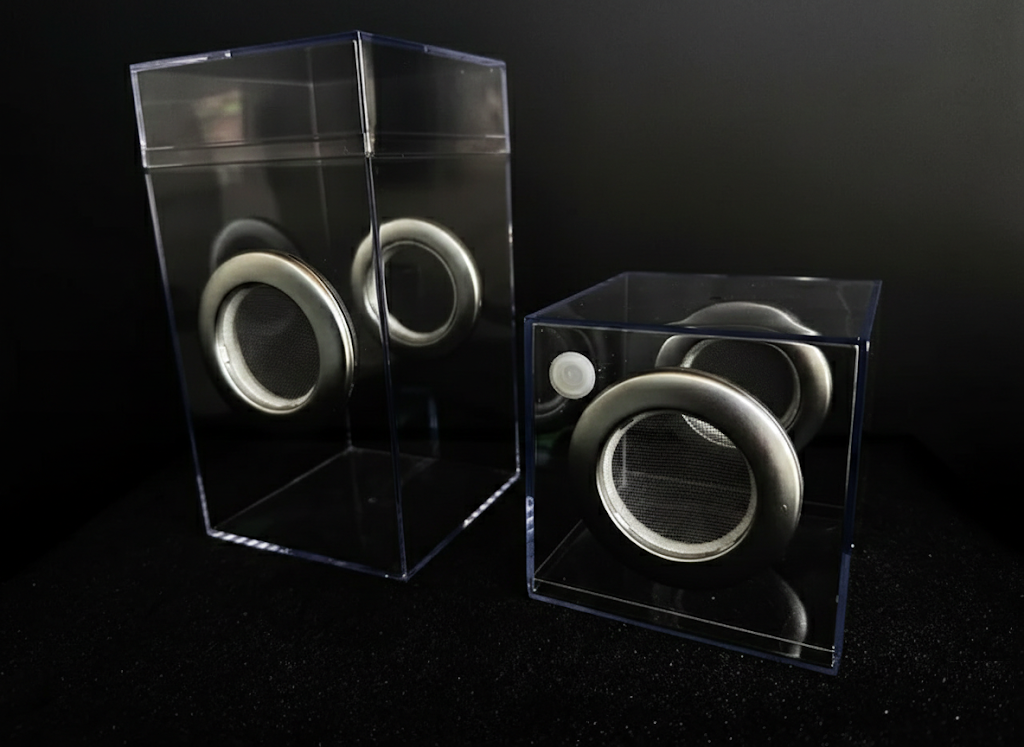
Stagnant air is one of the most common causes of spider illness. Unlike a fish tank, a spider enclosure needs cross-ventilation. This means having tiny air holes on at least two opposite sides of the container. This airflow prevents the growth of toxic mold and ensures that the humidity doesn't become "swampy," which can lead to respiratory issues for your spider.
3. Bright, Indirect Lighting
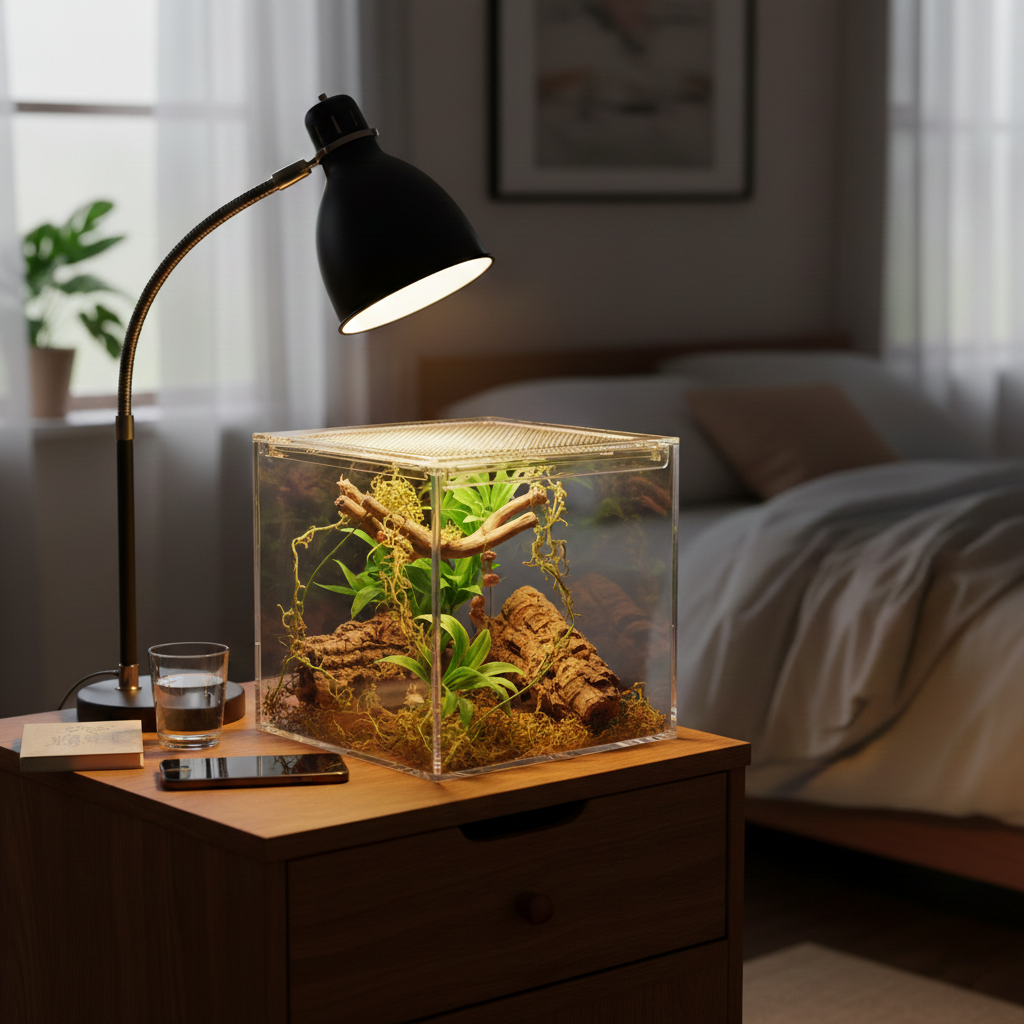
As visual hunters, jumping spiders have some of the best eyes in the insect world. They need 10–12 hours of bright light to stay active and hunt effectively. Place the enclosure in a room with plenty of indirect sunlight. Never place it in direct sun, as the "greenhouse effect" can rapidly raise the internal temperature to a lethal level. If your room is dark, a full-spectrum LED desk lamp placed nearby is a perfect substitute.

4. Precision Hydration (Misting)
Spiders do not drink from water bowls; their book lungs are on their underside, and they can easily drown in even a shallow dish. Instead, mist one wall of the enclosure daily with a fine-mist sprayer using spring or filtered water. The spider will come down to drink the individual droplets. Avoid misting the spider directly, as this can startle them and potentially trap moisture in their lungs.
5. Nutrition and Feeding Schedules
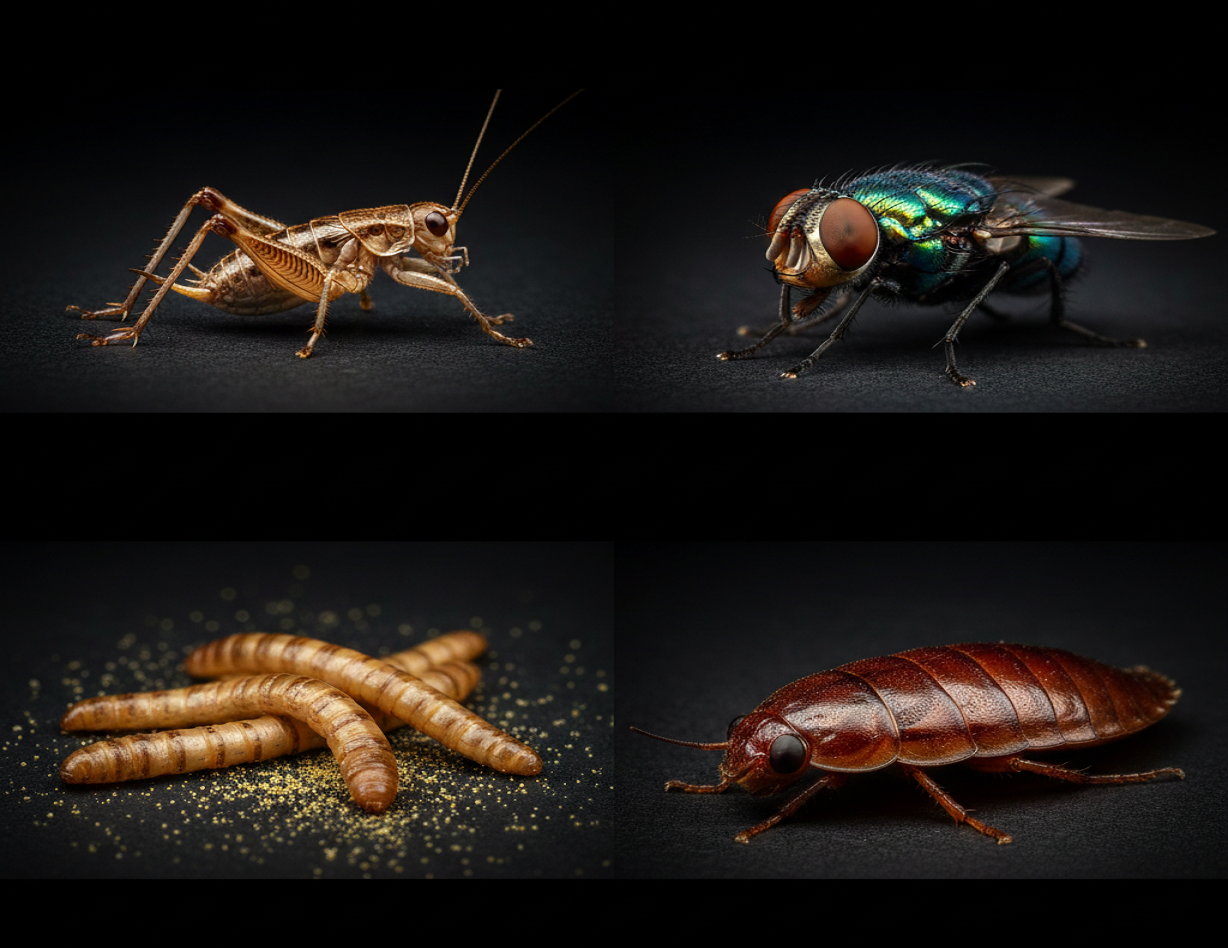
Adult spiders generally need to eat a high-protein meal every 2 to 3 days. The best staples are "aerial" prey like blue bottle or green bottle flies, which trigger their natural hunting instincts. You can also offer small crickets or dubia roaches, but never leave them in the enclosure unattended for long, as these insects can actually bite or harm a sleeping spider.
6. Precise Temperature Control
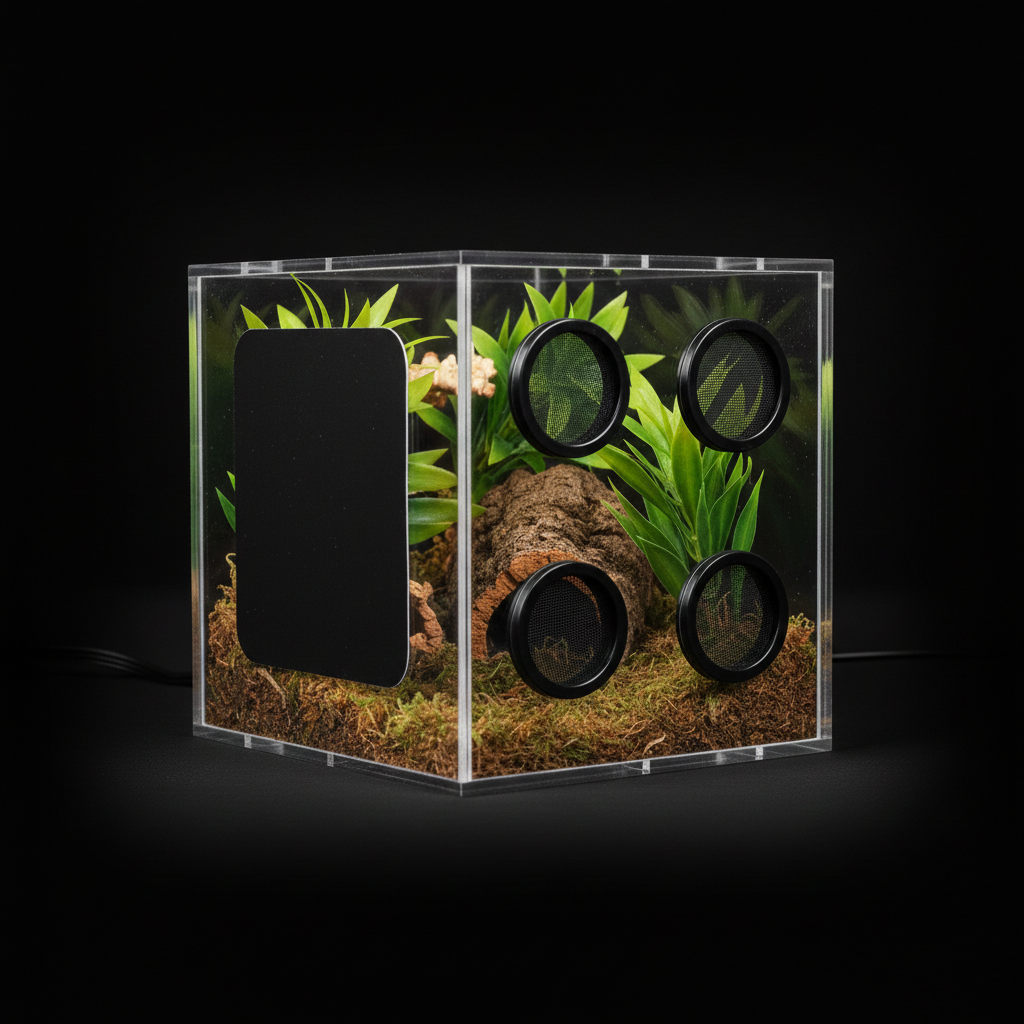
Regal and Bold jumpers prefer temperatures between 24°C and 28°C (75°F–82°F). If your home stays consistently cooler than 70°F, your spider may become lethargic and stop eating. You can use a small reptile heat mat with a thermostat, but always attach it to the outside side-wall of the enclosure, never the bottom. This allows the spider to move toward or away from the heat as needed.
7. Managing the Molting Process
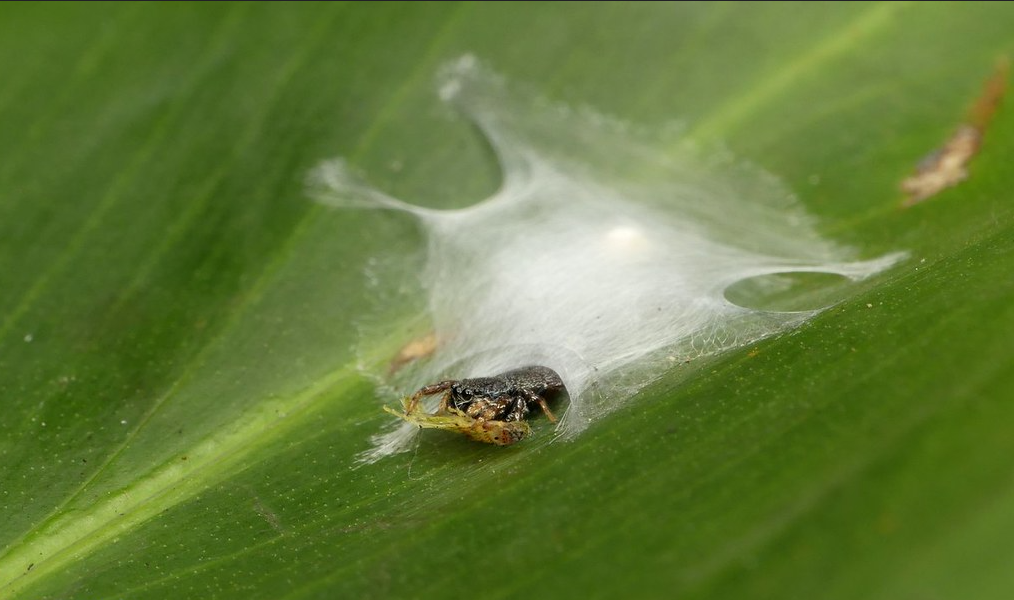
Even as adults, spiders may go through a "molt" to regenerate limbs or simply refresh their exoskeleton. If you notice your spider has built a very thick, opaque silk tent and hasn't come out for days, do not disturb them. Do not try to pull them out or offer food. Increasing the humidity slightly during this time helps them slide out of their old skin safely. A "stuck" molt can be fatal, so patience is key.
8. Ambient Humidity and Substrate
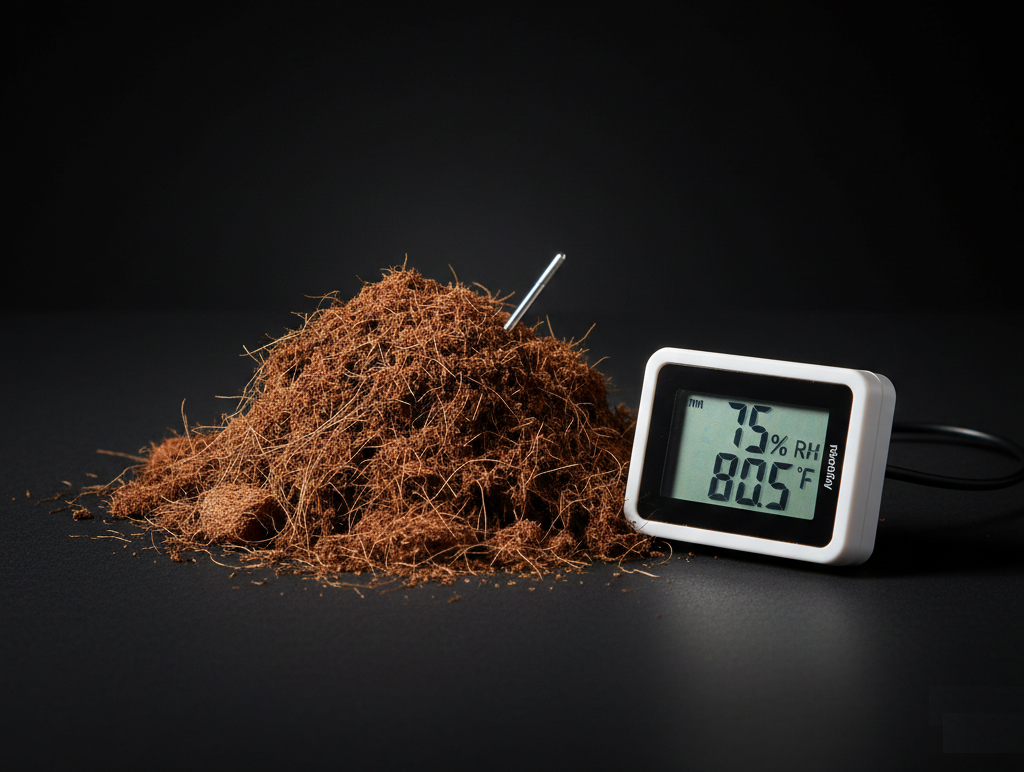
While misting provides drinking water, the air itself needs moisture to help the spider's joints and lungs function. Aim for 60%–80% humidity for Regal species. Using a substrate like coco fiber or damp sphagnum moss at the bottom of the enclosure acts as a "humidity reservoir," slowly releasing moisture into the air. This is especially helpful in air-conditioned or heated homes where the air is naturally dry.
9. Gentle Handling and Socialization
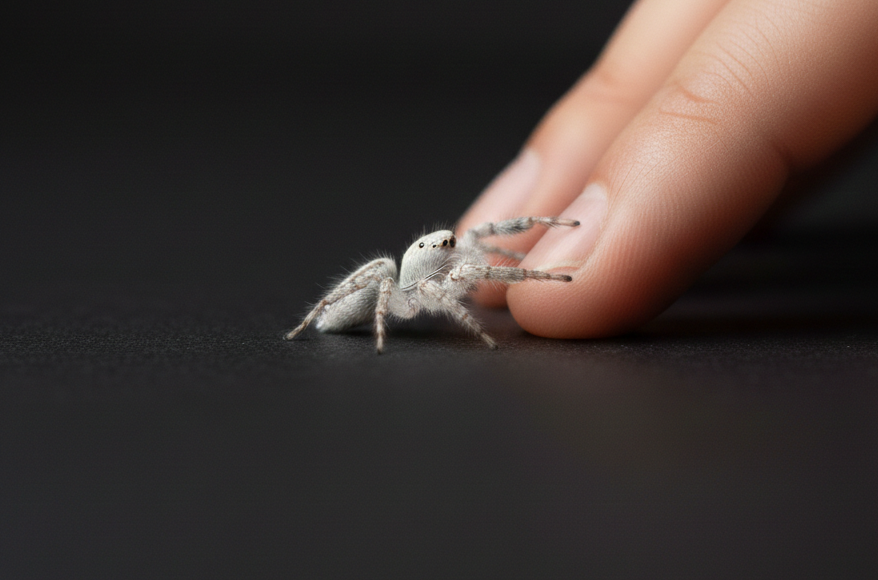
Jumping spiders are famous for their curiosity and can learn to recognize their keepers. If you want to handle yours, let them come to you. Use a soft-bristle paintbrush to gently "tickle" their back legs to nudge them forward onto your hand. This is much safer than using your fingers, which the spider might perceive as a predator. Always handle them over a desk or bed; a long fall onto a hard floor can be fatal for a heavy-bodied adult.
10. Enclosure Sanitation and Safety
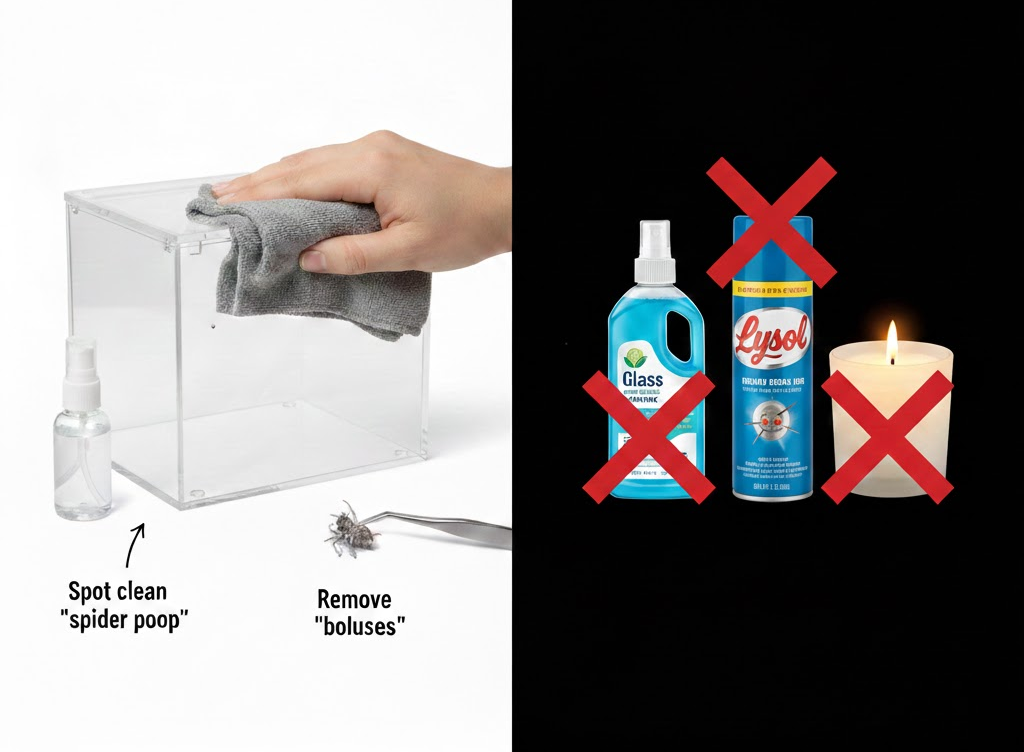
Spiders are incredibly sensitive to chemicals and fumes. Never use glass cleaner, bleach, or dish soap to clean their home. Use only warm water and a clean microfiber cloth to wipe away "spider poop" (tiny white spots) or "boluses" (the dried-up remains of their dinner). Ensure no perfumes, candles, or bug sprays are used in the same room, as these can be instantly toxic to your pet.
JumpingSpiderHood.com proudly supports the Xerces Society, which works to protect insects and other invertebrates through conservation, science, and education - and we encourage you to support their important work too.